

What Is Noorani Qaida?
Noorani Qaida is a beginner's primer for reading the Quran in Arabic. It starts with the alphabet and takes you, one small step at a time, through joined letters, vowels and the signs that change how a word sounds.
Tajweed is built in from the start. Every lesson comes with short exercises, so pronunciation habits are formed correctly from day one. Children and adults alike can follow it, even with no Arabic background.
Inside the Qaida: Read the Book
Browse the Noorani Qaida pages below. Select any page to open its image, or download the PDF for practice at home.
Save the Noorani Qaida PDF for your child's daily practice.
Page 01

Page 02
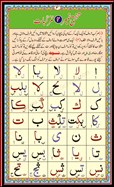
Page 03
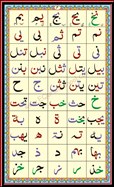
Page 04
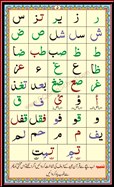
Page 05
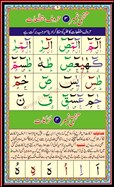
Page 06

Page 07

Page 08

Page 09
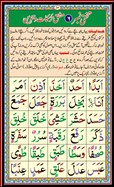
Page 10
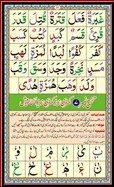
Page 11
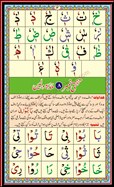
Page 12
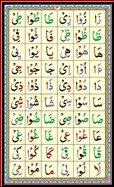
Page 13
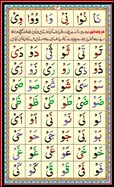
Page 14
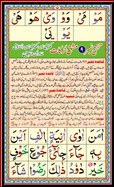
Page 15
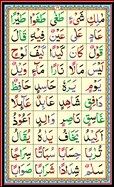
Page 16
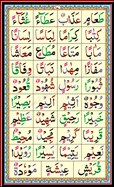
Page 17
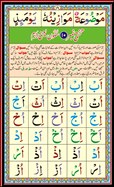
Page 18
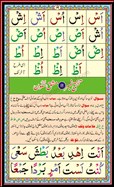
Page 19
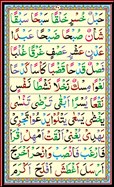
Page 20
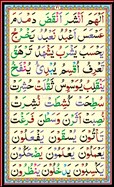
Page 21
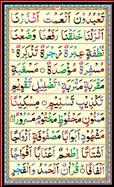
Page 22
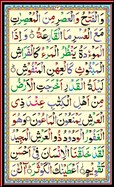
Page 23
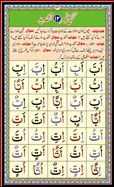
Page 24
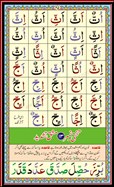
Page 25
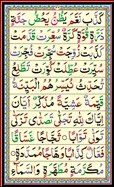
Page 26
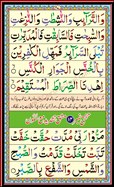
Page 27
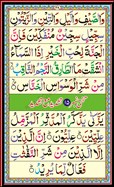
Page 28
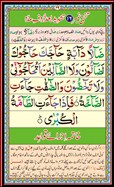
Page 29
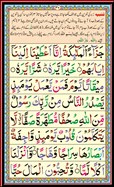
Page 30
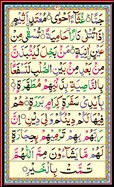
Page 31
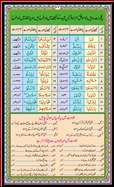
Page 32
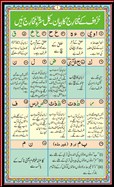
Makharij

First Page
Last Page
Select a page to view its image in a new tab. The PDF is provided separately for download.
What You Will Learn
The book moves from single letters to words and short phrases, so each step rests on one you have already mastered.
The Arabic alphabet
Every letter, its sound and how to tell similar letters apart.
Joined letters
How letters change shape at the start, middle and end of a word.
Vowels and tanween
Short vowel signs and the double signs that add an "n" sound.
Long sounds
Stretching a sound for the right length, a key part of recitation.
Silent and doubled letters
Sukoon and Shaddah, practised in words from the Quran.
Pronunciation points
Where each letter is produced in the mouth and throat.
Benefits of Learning It First
- Correct pronunciation from the very first lesson
- A clear route from single letters to full verses
- Early Quranic words that build vocabulary
- A regular practice habit through short daily exercises
- Confidence to move on to Quran reading and Tajweed
The 16 Lessons
Most editions of the Qaida are organised into 16 lessons. We group them into four stages so progress is easy to see.
Stage 1: LettersLessons 1 to 3
- Lesson 1Single letters (Huroof Mufridat): each letter and its sound.
- Lesson 2Joined letters (Huroof Murakkabat): how letters connect into words.
- Lesson 3Opening letters (Huroof Muqatta'at): the separate letters at the start of some surahs.
Stage 2: VowelsLessons 4 to 6
- Lesson 4Short vowels (Harakat): fatha, kasra and damma.
- Lesson 5Tanween: the double vowel signs.
- Lesson 6Practice with short vowels and tanween.
Stage 3: Long soundsLessons 7 to 9
- Lesson 7Standing vowels (Khari Harakat).
- Lesson 8Madd and Leen letters: stretched and soft sounds.
- Lesson 9Mixed practice with all vowels, madd, leen and tanween.
Stage 4: Silent and doubled lettersLessons 10 to 16
- Lesson 10Sukoon (Jazm): the silent letter sign.
- Lesson 11Practice with Sukoon.
- Lesson 12Shaddah (Tashdeed): doubling a letter.
- Lesson 13Practice with Shaddah.
- Lesson 14Shaddah with Sukoon.
- Lesson 15Shaddah with Shaddah.
- Lesson 16Shaddah after a madd letter.
Lesson order can vary slightly between editions. Your teacher follows the book you are using.
Why Start With Noorani Qaida?
Anyone who wants to read the Quran needs the same foundation: recognising each letter, pronouncing it correctly, and knowing how long to hold a sound. The Qaida teaches all three, along with the basics of how silent letters and endings are handled.
Once the Qaida is complete, a student can read the Quran with correct pronunciation and is ready for Tajweed and fluent reading.
The Best Way to Learn It
Most families choose between three ways of learning the Qaida.
Mosque or group class
Familiar and social, but the teacher's attention is shared across many students.
Teacher at home
Personal, but depends on finding a suitable teacher nearby and fixed travel times.
Online, one to one
The teacher focuses on your child alone, at times that fit your family, from home.
Is It Suitable for Non-Arabic Speakers?
Yes. The Qaida was designed for learners who do not speak Arabic. It teaches the sounds of the letters directly, so you do not need to understand Arabic first. Lessons are explained in English, and the teacher repeats each sound until you can say it clearly.